Category: Health

Shockwave Therapy: What It Does, Who It Helps
Shockwave therapy is often described as a way to “break up scar tissue” or restart healing. That shorthand is appealing, but incomplete. The treatment uses acoustic energy on a painful area, usually a tendon, muscle, or other musculoskeletal tissue, to influence pain and the body’s repair response. It is not surgery, and it is not a guaranteed fix for every persistent injury.
The more useful question is whether the problem is suitable for this treatment in the first place. Shockwave therapy is generally considered for ongoing tendon or sports-related pain that has not improved enough with conservative care, although the right choice depends on the diagnosis rather than the label “chronic pain.”
At True Health Chiropractic and Acupuncture, the evaluation is described as looking at the painful area, movement patterns, and reasons the problem keeps returning before creating a treatment plan. The practice serves patients in Lombard and nearby communities, including Glen Ellyn, Wheaton, Downers Grove, Elmhurst, and Villa Park.
Start with the diagnosis, not the machine
Shockwave therapy is also called extracorporeal shockwave therapy, or ESWT. Some clinics use the term EPAT—extracorporeal pulse activation technology—though terminology varies by device and provider.
A handheld applicator delivers acoustic pulses through the skin. Depending on the machine, the waves may be focused at a particular depth or delivered more broadly across tissue. A gel helps the applicator move over the skin and transmit the energy.
The proposed effects include:
- Changing pain signaling in the treated area.
- Encouraging local biological activity involved in tissue repair.
- Increasing blood flow and stimulating growth-related responses.
- Affecting calcific deposits in some degenerative tendinopathies.
Those mechanisms are still being studied, and the treatment should not be presented as literally “repairing” every damaged structure. A painful tendon might be responding to overload, weakness, altered movement, a partial tear, nerve irritation, or a different condition altogether. If the underlying problem is misidentified, acoustic waves are unlikely to solve it.
A proper assessment may include a physical examination and, when appropriate, imaging such as ultrasound. That is especially relevant when symptoms are severe, persistent, or accompanied by weakness, swelling, a traumatic injury, or a loss of normal function.
Which problems are most often considered?
The strongest everyday use of shockwave therapy is in selected musculoskeletal conditions, particularly stubborn tendon disorders. It is often discussed for plantar fasciitis and other chronic tendon problems, as well as certain sports injuries. It may also be used around some muscle, joint, or bone-related conditions, but the evidence and treatment approach differ by diagnosis.
Shockwave therapy is not simply a general treatment for “inflammation.” Pain may continue after an injury even when inflammation is no longer the main driver. Likewise, a treatment that helps one tendon condition may not be appropriate for a fracture, a nerve problem, or a nearly torn ligament.
A reasonable candidate is usually someone whose symptoms have been evaluated and whose condition has not improved adequately with measures such as activity modification, rehabilitation, strengthening, or other appropriate conservative treatment. That does not mean every patient must exhaust every alternative first. It means the treatment should fit a clear clinical problem.
The best results usually come from using shockwave therapy as part of a rehabilitation plan rather than treating it as a stand-alone event. If a tendon is overloaded by poor training progression or inadequate strength, reducing pain without addressing that load can leave the original problem in place.
What happens during a session?
Treatment is performed with the patient positioned so the clinician can reach the affected area. Gel is applied to the skin, and the applicator is placed over the target tissue. The pulses often sound like repeated clicks or tapping.
Discomfort is common because the device is working over an already sensitive area. Patients often describe pressure, tapping, or a sharp sensation rather than continuous pain. The clinician can adjust the energy level to keep the treatment tolerable. The experience may be more uncomfortable when the target lies close to bone.
A session is usually brief, and there is generally no incision, anesthesia, or formal recovery period. The exact protocol depends on the condition, the device, and the provider’s assessment. True Health’s patient information says that individual sessions last only a few minutes and that patients often notice relief within two or three treatments. Its guidance also says that meaningful improvement commonly occurs over three to six sessions, depending on the condition and how long it has been present.
Those figures are expectations, not a promise. A person with a long-standing tendon disorder may respond differently from someone with a newer sports injury, and improvement should be judged by function as well as pain.
What should you expect afterward?
Many people return to ordinary activity soon after treatment. That does not mean the tissue is instantly healed or that unrestricted heavy loading is sensible. The appropriate activity level depends on the injury and the rehabilitation plan.
Temporary soreness, bruising, swelling, or a short-lived increase in pain can occur. Ohio State’s patient information notes that an early reduction in pain may sometimes fade after a week or two before later improvement develops. This is one reason not to judge the treatment solely by how the area feels immediately afterward.
Ask the treating clinician:
- What activity is allowed on the day of treatment?
- Should strengthening or stretching change temporarily?
- Which symptoms are expected, and which require a call?
- How will progress be measured?
Pain relief is useful, but improved walking, grip, running tolerance, sleep, or range of motion may be a more meaningful sign that the plan is working.
Who should avoid it or seek extra assessment?
Shockwave therapy is noninvasive, but “noninvasive” does not mean risk-free. A clinician should review your medical history and the exact injury before treatment.
Extra caution or avoidance may be appropriate in situations such as:
- A suspected fracture or markedly reduced bone density, including osteoporosis.
- A tendon or ligament that is nearly or completely torn.
- Active infection, an open wound, or a tumor in the treatment area.
- Certain bleeding disorders or use of blood-thinning medication.
- Pregnancy when the proposed treatment area is near the abdomen or pelvis.
- Implanted devices or other medical circumstances that require individualized review.
The risks are usually limited, but rare complications can include significant bruising, bleeding, tissue irritation, or injury to vulnerable structures. A nearly torn tendon may be at greater risk if energy is applied without recognizing the extent of the damage. New weakness, substantial swelling, worsening pain, numbness, or inability to bear weight warrants prompt medical advice rather than another routine session.
Do not use a home device or purchase a machine based only on an online description. The name “shockwave” covers different technologies, energy levels, and treatment protocols. A device marketed for general pain relief is not a substitute for diagnosis.
What are the drawbacks?
The biggest drawback is uncertainty. Evidence is encouraging for several tendon and musculoskeletal conditions, but results are not uniform, and formal research is still developing for some applications. A treatment may reduce pain without correcting the mechanical reason the injury developed.
Other practical disadvantages include:
- The treatment can be uncomfortable.
- Improvement may take several weeks rather than appearing immediately.
- Multiple visits may be needed.
- It may not be covered by health insurance.
- It is not appropriate for every diagnosis.
True Health states that shockwave therapy is generally not covered by major medical insurance but is FSA/HSA eligible; coverage rules and account eligibility can change, so ask the practice for current, itemized information before beginning care. Avoid comparing its cost with surgery or injections unless you have received actual estimates for those alternatives and understand that they are not interchangeable treatments.
How successful is it?
There is no single, reliable success rate for “shockwave therapy.” Outcomes depend on the condition being treated, how it was diagnosed, symptom duration, the treatment protocol, and whether rehabilitation addresses strength and load management.
A clinic should be able to explain what improvement would look like in your case and when the plan will be reassessed. Be cautious of guarantees, claims that the treatment works for every type of pain, or promises that imaging findings such as scar tissue are the sole cause of symptoms.
A useful consultation includes a working diagnosis, realistic goals, possible alternatives, known risks, and a stopping or reassessment point if progress does not occur. If the explanation focuses only on the machine, that is not enough.
The practical takeaway
Shockwave therapy is best understood as a targeted option for selected musculoskeletal problems—not a universal pain treatment and not a replacement for diagnosis or rehabilitation. It may be worth discussing when a persistent tendon or sports-related injury continues to limit activity despite appropriate care.
Before booking, bring a clear history of when the pain began, what worsens it, prior treatments, medications—especially blood thinners—and any imaging results. Then ask what structure is being treated, why shockwave is suitable, how progress will be measured, and what happens if it does not help. Those answers matter more than the device’s marketing name.
Chin Filler Beaconsfield: Expert Profile Enhancement
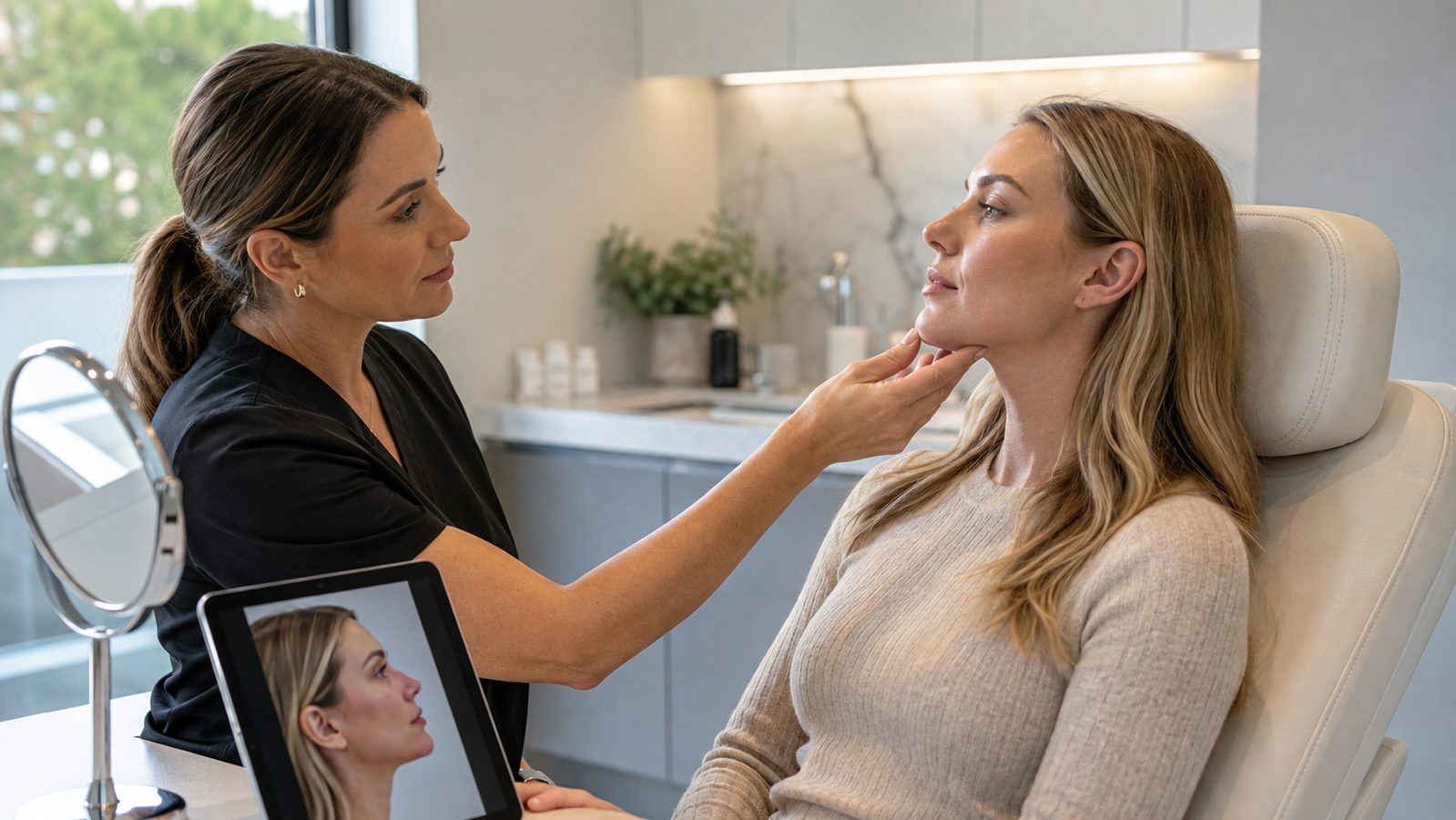
In the pursuit of facial harmony and refined aesthetics, chin filler has emerged as a sophisticated non-surgical solution. This treatment offers a remarkable ability to balance facial proportions, define the jawline, and subtly enhance one’s profile. For residents of Beaconsfield seeking to explore this transformative procedure, access to expert practitioners is readily available, offering a blend of advanced techniques and personalised care.
Understanding Chin Fillers: What They Are and How They Work
Chin fillers primarily consist of hyaluronic acid (HA), a naturally occurring substance in the body renowned for its ability to attract and retain moisture. Brands like Juvéderm, Restylane, and Teosyal are commonly used, each offering slightly different properties in terms of viscosity and longevity. When precisely injected into specific areas of the chin, these dermal fillers work by adding volume and subtly reshaping the underlying bone structure and soft tissues.
The mechanism of action involves the HA gel integrating with the skin’s existing hyaluronic acid, creating a smooth, natural-looking augmentation. This process not only increases projection but can also improve the definition of the jawline, reduce the appearance of a “weak” or recessed chin, and even minimise the visibility of jowls by providing structural support. Unlike permanent implants, HA fillers are reversible with an enzyme called hyaluronidase, offering an added layer of safety and peace of mind.
Achieving Facial Harmony: The Benefits of Chin Enhancement
The aesthetic improvements afforded by chin fillers extend far beyond simple augmentation, contributing significantly to overall facial harmony.
-
Balancing Facial Proportions: A well-proportioned chin can bring the entire face into better balance, creating a more aesthetically pleasing ratio between the upper, middle, and lower thirds of the face.
-
Defining the Jawline: By adding volume and structure to the chin, fillers can create a sharper, more defined jawline, enhancing the transition from the face to the neck. This can be particularly beneficial for individuals experiencing early signs of jowling.
-
Correcting a Recessed or Small Chin: For those with a naturally recessed or underdeveloped chin, fillers offer a non-surgical method to bring the chin forward, improving the profile and strengthening the lower face.
-
Improving Overall Profile: A subtle chin enhancement can dramatically improve the side profile, creating a more confident and assertive appearance without the need for invasive surgery.
-
Non-Surgical Nature and Minimal Downtime: Compared to surgical genioplasty, chin fillers are a non-surgical procedure, meaning no incisions, general anaesthesia, or lengthy recovery periods. Most individuals can resume their normal activities almost immediately, making it an attractive option for those with busy lifestyles.
The Chin Filler Journey: Consultation, Treatment, and Aftercare
Embarking on a chin filler journey involves several key stages, each designed to ensure a safe, effective, and satisfying outcome.
Your Initial Consultation
A thorough consultation is the cornerstone of any successful aesthetic treatment. During this crucial first step, the practitioner will:
- Discuss your aesthetic goals and expectations in detail.
- Conduct a comprehensive assessment of your facial anatomy, including bone structure, soft tissue volume, and skin quality.
- Review your medical history to identify any contraindications or potential risks.
- Explain the chin filler procedure, including the type of filler recommended, the expected results, and potential side effects.
- Collaborate with you to create a personalised treatment plan tailored to your unique facial features and desired outcome. This ensures that the results are natural-looking and complement your overall facial structure.
The Treatment Process
The chin filler treatment itself is typically straightforward and relatively quick, often lasting between 30 to 60 minutes.
- Before injections, a topical numbing cream is usually applied to minimise discomfort. Many modern HA fillers also contain lidocaine, a local anaesthetic, further enhancing comfort during the procedure.
- Using fine needles or cannulas, the practitioner will meticulously inject small amounts of filler into precise areas of the chin. The use of cannulas, which are blunt-tipped, can reduce the risk of bruising and swelling compared to sharp needles.
- Throughout the process, the practitioner will continually assess the symmetry and projection, ensuring a balanced and natural-looking result. Precision is paramount to avoid an overfilled or unnatural appearance.
Post-Treatment Care and Expectations
Proper aftercare is essential for optimal results and to minimise potential side effects.
- Typical Aftercare Instructions: Patients are usually advised to avoid touching or massaging the treated area for the first 24-48 hours, refrain from strenuous exercise, excessive heat exposure (saunas, hot tubs), and alcohol consumption for a day or two.
- Common Side Effects and Recovery Time: Mild swelling, bruising, redness, and tenderness at the injection sites are common and typically subside within a few days to a week. Applying a cold compress can help alleviate these symptoms. Serious complications are rare but can include infection, allergic reaction, or vascular occlusion, which is why choosing an experienced practitioner is vital.
- How Long Results Typically Last: The longevity of chin fillers varies depending on the type of filler used, individual metabolism, and lifestyle factors, but results typically last between 12 to 24 months. Regular maintenance treatments can help sustain the desired aesthetic.
Safety, Expertise, and Choosing Your Beaconsfield Practitioner
The decision to undergo any aesthetic treatment, especially injectables, necessitates a strong emphasis on safety and the expertise of the practitioner. While chin fillers are generally considered safe when performed by qualified professionals, potential risks exist. These include bruising, swelling, infection, allergic reactions, and, in rare cases, vascular occlusion, which can lead to tissue damage.
To mitigate these risks, it is paramount to choose a qualified and experienced practitioner. Look for clinics that are doctor-led, as medical professionals possess a deeper understanding of facial anatomy, sterile techniques, and complication management. For those in the local area, chin filler beaconsfield offers a range of options, but due diligence is key.
When selecting a clinic in the Beaconsfield area, consider the following factors:
- Qualifications and Experience: Ensure the practitioner is a registered medical professional (doctor, dentist, or nurse prescriber) with extensive experience in dermal filler injections, specifically in the chin area. Certifications from recognised aesthetic bodies are a good indicator of expertise.
- Reputation and Reviews: Research the clinic’s reputation by reading patient testimonials and reviews. Look for consistent positive feedback regarding safety, results, and patient care.
- Consultation Approach: A reputable clinic will offer a thorough, unhurried consultation where all your questions are answered, and a realistic treatment plan is discussed. Avoid clinics that pressure you into immediate treatment.
- Clinic Environment: The clinic should be clean, professional, and adhere to high standards of hygiene and safety.
- Portfolio of Work: Ask to see before-and-after photos of previous chin filler patients to assess the practitioner’s aesthetic style and the quality of their results.
Regarding cost considerations, prices for chin fillers in Beaconsfield, much like elsewhere, can vary significantly. Factors influencing the cost include the type and amount of filler used, the practitioner’s experience, and the clinic’s location and overheads. Generally, you can expect prices to range from £350 to £700 per syringe, with some treatments requiring multiple syringes for optimal results. It’s important to view this as an investment in expert care and natural-looking results rather than opting for the cheapest option, which may compromise safety or quality. For those considering this treatment, Define Clinic – Beaconsfield provides comprehensive information and expert services in chin enhancement.
Choosing the right practitioner in Beaconsfield ensures that your chin filler journey is not only transformative but also safe and tailored to your individual needs, leading to a more balanced and confident you.

When to See a Neurologist in the city of Ranchi: Symptoms You Shouldn’t Ignore
You wake up with a numb hand. It fades after a while, so you brush it off. A week later, it happened again. Still, you don’t think much of it. But then there’s a sudden bout of dizziness. And the headaches—well, those have become more frequent too.
Maybe it’s nothing. Perhaps it’s time to stop guessing.
In places like Ranchi, where healthcare options are expanding, it’s becoming easier to find a reliable hospital in Ranchi that takes neurological concerns seriously. But recognising when to act is still a personal call—and that’s where most people hesitate.
You Might Be Waiting Too Long
Most neurological problems don’t start with loud alarms. They show up in small, strange ways. Something feels off, but it’s easy to blame it on stress or sleep. The signs might even go away for a while. Then they come back.
A few examples:
- Repeated numbness or tingling in fingers or toes
- Sudden trouble keeping balance while walking
- Recurring headaches that aren’t like your usual ones
- Changes in vision or hearing that come and go
- Difficulty speaking or finding the right words
- Feeling weak in your arms or legs without explanation
- Trouble remembering things, even recent ones
These may not all happen at once. But even one of them—especially if it lingers—can mean it’s time to speak to a neurologist in Ranchi.
It’s Not Just in Your Head
There’s a kind of guilt that comes with worrying. What if it’s nothing? What if the doctor says it’s “normal”? That line of thinking keeps people away from care. But that delay can be costly, especially in conditions like multiple sclerosis, where early steps lead to better outcomes.
Neurologists don’t just treat rare diseases. They help you understand patterns in your body that aren’t clear at first glance. Something like aura disturbances before a headache might seem unrelated, but for a trained eye, it tells a deeper story.
Personal Health Isn’t a Checklist
People tend to compare their symptoms with those of others. “My friend had worse migraines.” Or, “That person fainted—I just felt light-headed.” This kind of thinking pushes problems under the rug.
But health doesn’t work like that. What’s mild for one person might be serious for another. Two people can have the same symptom with completely different causes. Your body doesn’t need to meet a checklist to justify attention.
Finding the Right Specialist in Ranchi
Some clinics are busier than others. Some doctors are harder to get an appointment with. That’s a reality. But waiting for the perfect slot or the most popular doctor might mean weeks of delay.
If you’re searching, focus on a centre that’s known for neurology as a department—not just as a side offering. Ask if the staff includes full-time neurologists. Check whether they offer imaging or diagnostics onsite. This isn’t about luxury—it’s about practicality when things move fast.
Don’t Let Doubt Be Louder Than Symptoms
The average person spends more time researching a phone than they do health symptoms. That’s not a criticism—it’s just how life works. But when something feels off in your body, it deserves more attention than a guess from a forum or a quick scroll through search results.
Even a short consultation can rule things out. Or reveal something you didn’t consider. Either way, it puts the guessing game to rest.
You Know Your Body—Listen to It
People don’t always talk about these things. You might have a family member who shrugs off their headaches or a neighbour who thinks forgetfulness is just ageing. But deep down, most people know when something feels “not right.”
Maybe that’s where it starts. Noticing. By taking it seriously. You don’t need a dramatic episode to justify a check-up. Sometimes the small things are enough.
Featured Image Source: https://img.freepik.com/free-photo/neuroscience-doctor-holding-clipboard-showing-treatment-against-brain-disease-patient-with-eeg-headset-woman-sitting-neurological-scientific-laboratory-treating-nervous-system-dysfunctions_482257-16457.jpg

Working with Certified Life Care Planners in Texas: A Legal Guide for Attorneys
Catastrophic injury cases demand precision. One miscalculation in future care costs can leave clients without adequate resources for decades. The difference between a strong life care plan and a weak one often determines whether settlements cover actual needs or fall short by hundreds of thousands.
Texas courts see plenty of cases where attorneys struggled to prove long-term damages. Without proper documentation from a certified life care planner in Texas, even the most devastating injuries can result in underwhelming compensation. Insurance companies know this. They count on it.
The reality is straightforward: finding a qualified certified life care planner in Texas requires understanding what separates competent experts from those who merely hold credentials. Some rush through evaluations to maximize volume. Others lack the courtroom experience needed when opposing counsel attacks their methodology.
Essential Qualifications for Texas Courts
Texas has specific requirements for expert witness testimony. Life care planners must meet these standards or face exclusion during Daubert challenges.
Required credentials include:
- Commission on Health Care Certification (CHCC) certification
- Active healthcare license in relevant field
- Minimum five years clinical experience
- Knowledge of Texas medical provider networks
- Documentation of previous court testimony
The certification component gets scrutinized heavily. Defense attorneys often challenge credentials first, knowing that discrediting the expert weakens the entire damages claim. A planner without proper certification becomes a liability during trial.
The Economics of Inadequate Planning
Insurance adjusters prefer cases with incomplete life care plans. These plans typically underestimate costs, creating settlement opportunities that favor insurers over injured clients.
Comprehensive life care plans capture expenses that basic assessments miss:
- Medical equipment replacement cycles
- Home modifications as conditions progress
- Specialized transportation requirements
- Family counseling services
- Ongoing rehabilitation needs
These items compound over time. A wheelchair might need replacement every five years. Home modifications require updates as mobility declines. Transportation costs for medical appointments add up over decades.
Avoiding Common Pitfalls
Timing creates the biggest problem for most attorneys. Engaging a life care planner too late in the process limits their ability to conduct proper evaluations. Discovery deadlines force rushed assessments that produce weak documentation.
Cost considerations also trip up attorneys. Cheap life care plans often cost more in the long run. A substandard report can derail settlement negotiations or fail during trial testimony.
Another issue involves expert preparation. Life care planners need coaching about legal testimony requirements. They must understand how their methodology will be challenged and be ready to defend their conclusions.
Selection Criteria That Matter
The right life care planner understands both medical needs and legal requirements. They communicate complex medical information in ways that juries can understand. They prepare reports that support rather than undermine legal arguments.
Experience matters more than credentials alone. A planner with extensive courtroom experience knows how to handle aggressive cross-examination. They understand what opposing counsel will attack and prepare accordingly.
Local knowledge provides significant advantages. Texas-based planners understand regional cost variations and provider networks. They know which facilities accept different insurance plans and can estimate realistic long-term costs.
Making the Decision
Client outcomes depend on these choices. The life care planner becomes a key witness whose testimony directly impacts settlement values and trial verdicts. Their work determines whether clients receive adequate resources for lifetime care needs.
Defense teams will challenge every aspect of the life care plan. The planner must be ready to defend their methodology, explain their calculations, and justify their recommendations. Weak experts create vulnerabilities that skilled opposing counsel will exploit.
Choose carefully. The decision affects more than case outcomes. It determines whether clients can access the care they need for the rest of their lives.
Featured Image Source: https://images.unsplash.com/photo-1551836022-4c4c79ecde51

How a Good Breast Cancer Specialist Changes Your Treatment Experience?
But here’s what many people don’t realize until later: the breast cancer specialist you choose shapes every aspect of what comes next on your journey to cancer care. They determine whether you feel supported or abandoned, informed or confused, hopeful or terrified.
This might sound basic, but most patients leave their first appointment feeling like a case number. Your specialist should treat you like a person facing the scariest time of your life.
They explain things you can actually understand
Medical jargon feels like a foreign language when you’re already overwhelmed. The right breast cancer specialist translates complex information into words that make sense. They draw pictures. They use simple comparisons. They check if you’re following along.
Bad specialists talk at you. Good ones, talk to you.
Your questions don’t annoy them.
You’ve probably googled everything already. Maybe you’ve read conflicting information online. Perhaps you’re worried about something that seems silly. A good specialist welcomes every question. They understand that fear makes people need more information, not less. They never make you feel stupid for asking. They know that informed patients cope better with treatment.
They create a plan that fits your life.
Not everyone can take six months off work. Some people have young children at home. Others care for elderly parents. The best specialists design treatment around your reality, not their preferred schedule. They consider your job, your family, your finances. They might suggest splitting chemotherapy sessions differently. They could recommend timing surgery around important events. Small adjustments make huge differences.
You know what’s happening next.
Uncertainty breeds anxiety. Good specialists eliminate surprises wherever possible.
They tell you exactly what each treatment involves. They prepare you for side effects before they happen. They explain backup plans if the first approach doesn’t work. You leave appointments with clear next steps, not vague promises to “see how things go.”
They coordinate everything
Cancer treatment involves multiple specialists. Oncologists, radiologists, surgeons, nurses. The list grows longer as treatment progresses. Exceptional specialists act as your advocate across all these teams. They make sure everyone shares information. They prevent you from repeating your story to every new doctor.
You shouldn’t have to manage your own care team. That’s their job.
They’re honest about outcomes.
False hope hurts more than realistic expectations. Good specialists tell you the truth about your prognosis, treatment options, and potential complications.
They don’t sugarcoat difficult news. But they also don’t crush hope unnecessarily.
They present facts clearly and help you understand what numbers mean for your specific situation.
Your emotional needs matter to them.
Cancer treatment affects your mental health as much as your physical health. The best specialists recognize this connection. They might recommend counselling services. They check in on how you’re coping emotionally. They understand that depression can slow physical healing.
Your experience shapes your outcome.
Patients who trust their care team follow treatment plans more consistently. They report symptoms earlier. They recover faster from procedures.
The right specialist doesn’t just treat your cancer. They make your entire treatment experience more manageable. That difference matters more than you might realize.
Featured Image Source: https://media.istockphoto.com/id/1171723363/photo/doctor-talking-with-patient-at-desk-in-medical-office.jpg

Set It and Forget It: 5 High Protein, Low Carb Crockpot Meals That Fit Your Macros While You’re at the Gym
Here are five high-protein, low-carb crockpot meals perfect for post-workout recovery, offering convenience, flavour, and muscle-supporting nutrition.
Let’s be honest, shall we? After a gruelling workout, the last thing you want is to faff about in the kitchen for ages. You’re knackered, you’re hangry, and the takeaway menu is looking mighty tempting. But before you dial for that greasy pizza that’ll undo all your hard work, I’ve got a proper game-changer for you: your trusty crockpot!
Yes, that neglected kitchen gadget your nan gave you three Christmases ago is about to become your new fitness bestie. Talk about a slow-burning relationship!
1. Tex-Mex Chicken Fiesta
This high protein recipes book favourite gets a crockpot makeover! Chuck in some chicken breasts, bell peppers, tinned tomatoes, and a handful of spices. Eight hours later? You’ve got a protein powerhouse at 35g per serving, with only 8g of carbs.
Serve it over cauliflower rice and you’ll be saying “Hasta la vista” to hunger pangs and “Hello” to gains. It’s nacho average meal, if you catch my drift!
2. Beefy Mushroom Stroganoff
This slow-cooked wonder is perfect for those days when you’re feeling particularly beast-mode. Lean beef, mushrooms, and a splash of Greek yoghurt instead of sour cream create a creamy dream that’s high in protein and surprisingly low in carbs.
After thumbing through our high protein recipe book, we’ve tweaked this classic to deliver an impressive 32g of protein with just 11g of carbs per portion. Who said comfort food can’t be macro-friendly? Not us, mate!
3. Thai-inspired Coconut Curry Salmon
Fish might seem a weird choice for a crockpot, but trust me on this one! This dish from our high protein, low carb crockpot meals collection will make you reconsider everything you thought you knew about slow cooking.
The coconut milk keeps the salmon tender while infusing it with Thai flavours. At 28g of protein and 7g of carbs per serving, it’s the perfect post-workout refuel. Something’s fishy here, and it’s absolutely delicious!
4. Mediterranean Lamb Stew
This hearty number is what happens when high protein, low carb crockpot meals meet Mediterranean flair. Tender chunks of lamb, aubergines, courgettes, and a sprinkle of feta cheese come together in a tomatoey base that’ll have you feeling like you’re lounging in Santorini, not recovering from leg day.
With 30g of protein and 10g of carbs, this stew is a proper Mediterranean masterpiece. It’s giving your muscles the love they deserve, without the carb coma afterwards. Olive it so much! (See what I did there?)
5. Veggie Protein Powerhouse Chilli
Calling all plant-based fitness fanatics! This high protein recipe book gem proves you don’t need meat for muscle. A mix of lentils, black beans (in moderation to keep it lower carb), tofu, and a secret weapon—walnuts—creates a textural symphony that’ll satisfy even the most committed carnivores.
This slow-cooker miracle delivers 25g of plant protein with 15g of net carbs. Not too shabby for a veggie dish, eh? Bean there, done that, got the gains to prove it!
Remember, these high protein, low carb crockpot meals taste even better the next day, making them perfect for meal prep. Simply portion them out and you’re sorted for post-workout fuel that’ll keep you on track toward your fitness goals.
So dust off that crockpot, grab our shopping list, and get ready to set it and forget it! Your future hungry self will thank you—and so will your muscles.
Featured Images Source: https://images.pexels.com/photos/3184182/pexels-photo-3184182.jpeg?auto=compress&cs=tinysrgb&w=1260&h=750&dpr=2

What Does a Breast Surgeon Really Do? A Peek Behind the Curtain
When people think of the term “breast surgeon,” they often imagine someone in scrubs performing complicated surgeries. This is only partially true because the operations constitute only one facet of their multiple functions. Breast surgeons are a unique amalgam of medicine or medical expertise, counsellors, and advocates who walk with patients through some of the most startlingly glorious moments of their lives.
That said, here is what surgeons like Debashis Ghosh do in their day-to-day lives beyond holding the scalpel amid the surgical lights.
Diagnostician Extraordinaire
Before an incitement of the day to perform any operative procedures, there is quite a bit of detective work to be undertaken. Breast surgeons work closely with radiologists to read mammograms, MRIs, and biopsies. They connect the dots to establish what lies in that report. Ranging from benign lumps to suspicious masses to diagnoses that require urgent surgery, these doctors have the calling of being the first to draw some relevant conclusions.
Educator and Guide
Once the diagnosis is made, the surgeon turns into an educator. Imagine sitting with someone who has just been told they have breast cancer. The breast surgeon speaks plainly, describes the diagnosis in simple human terms, presents treatment options, and helps the patient feel empowered by the decision-making process. They break down complex medical language into easy bits because no one needs more stress at that moment.
Surgical Superhero
Of course, the surgical aspect of the job is significant. Breast surgeons do everything from biopsy to lumpectomy and mastectomy. But it’s not just about consummating tissue removal; it’s all about precision in appearance and preparing the patient for anaesthesia and surgery. They routinely partner with reconstructive surgeons to restore a patient’s body confidence by merging science with art under the guise of something that can only be described as inspiring.
Emotional Anchor
Breast surgeons become emotional anchors for their patients. They understand that everyone seated before them has many worries, fears, and questions in their minds regarding their condition. Talking to them as a professional must be comforting to them during a consultation or an assuring smile before surgery. Such acts help in establishing trust and hope.
Team Player
These days, breast care takes a team effort. Surgeons partner with oncologists, plastic surgeons, nurses, and counsellors to chart a patient care programme best for each patient. In many instances, they’re akin to the ship’s captain, sailing all hands on deck in one direction, namely, towards recovery.
Advocate for Awareness
Breast surgeons often take it upon themselves to be the bearers of awareness. They’re the voice advocating early detection, regular breast self-checks, and consideration of the claim that knowledge is power. Their mission is not to treat and move on but to educate and prevent.
A Position Rooted in Compassion
A breast surgeon is essentially a person-focused role that allows for good listening and understanding and stands up each day to make a difference. They do not treat breasts-they treat the people who own them.
So, the next time you think of a breast surgeon, remember they are not just the ones cutting flesh with precision at the hospital. They may become a lifeline, a source of strength, and a ray of hope for their patients.
Featured Image Source: https://images.pexels.com/photos/30169272/pexels-photo-30169272/free-photo-of-professional-surgeon-in-operating-room-performing-surgery.jpeg?auto=compress&cs=tinysrgb&w=600
What Are the Signs You Need to Visit a Neurologist Doctor
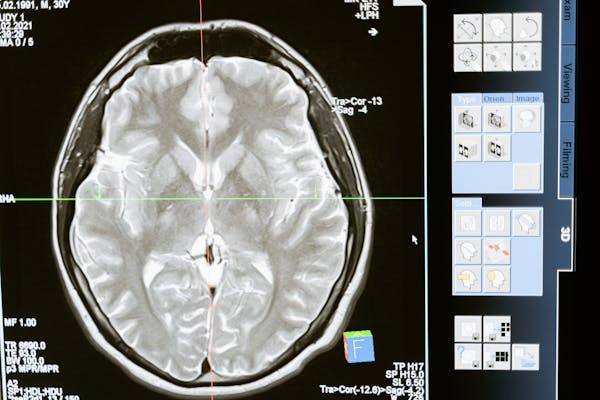
Our bodies often have very delicate systems, such as the nervous system and the brain, which can provide subtle clues if something is not functioning as it should. It is wise to note these warning signs, for ignoring them may put an otherwise treatable condition at risk. But how do you know if your symptoms are severe enough to see a neurologist? Let’s discuss a few common concerns that should be selected for you for redirection to a neuro doctor in Ranchi.
1. Severe or Constant Headaches
Headaches aren’t a novelty for anyone, but for people who have constant headaches without an explanation, especially debilitating migraines, it might be worrying, to say the least. Neurologists are experts in managing these headaches, as migraines, cluster headaches, and many other secondary headaches in these patients are of neurological origin. Don’t regard constant headaches as a feature of a bad day.
2. Tingle or Numbness
Have you ever felt that one of your arms or legs has been totally dead for no reason? Numbness that is experienced from time to time is harmless, but persistent or even recurrent tingling may indicate nerve damage, multiple sclerosis, or any other neurological illness. A neurologist doctor in Ranchi works to find answers to these lingering and/or worsening sensations.
3. Confusion or Memory Issues
While it is fairly common to forget where one’s car keys were placed, loss of memory accompanied by confusion and an inability to concentrate can be taken as a warning signal for especially worse things.
Someone that you know or you are facing changes in cognition that might be due to conditions such as dementia, Alzheimer’s, or even an injury to the brain. Get in touch with a professional without wasting any of your valuable time.
4. Dizziness That Is Unusual Or Issues With Balance
Getting dizzy after some vigorous action is one thing. However, if you are experiencing a lot of dizziness, vertigo, or problems with your inner ear, then there is a problem in your inner ear or your brain. The reasons for the problem can range from dangerous to non-dangerous, but all you need to do is get it checked.
5. Seizures Or Eye Movements That Seem Unnatural
Real-life seizures aren’t as exaggerated as they are displayed in movies. They can have tiny twitches in their muscles or even appear to stare for a long time. Go to a neurologist immediately if you feel like you have experienced a seizure or have any weird body movements.
6. Pain That Is Unbearable And Has Not Gone Away With Time
If you are experiencing pain that has not gone away despite the treatment you received, then it is very likely that the pain originated from a problem in the nervous system. The issues can be nerve compression or even Neuropathy disorder. A neurologist will treat the root problem in detail.
Conclusion
Diagnosing and getting treated with a neurological ailment is effective if done in its early stages. Do not disregard any of the following signs. It would be a good idea to consult with a neurologist, as he/she can help you achieve peace of mind and compliance with improved health. Your body is like an alarm system—it goes off when things aren’t right. Always trust your gut and take the necessary measures to comprehend and stop the signs and symptoms of what is troubling you.
Featured Image Source: https://images.pexels.com/photos/7089020/pexels-photo-7089020.jpeg?auto=compress&cs=tinysrgb&w=600

How Freelancers Can Choose the Right Self-Employed Insurance Plan?
Freelancers enjoy the flexibility and freedom of working on their own terms, but this comes at a cost. Sudden emergencies may pose financial strain under such circumstances, especially related to medical treatments. Medical emergencies can cause significant financial stress. However, unlike traditional employees, freelancers do not have access to employer-sponsored health insurance plans. Self-employed health insurance in the state of Texas is the best option for freelancers.
Why Do Freelancers Need Self-Employed Health Insurance?
Freelancers need self-employed insurance as they lack the safety net provided by employer-sponsored plans. It protects them against high medical costs that may arise from unexpected illnesses or accidents. Opting for self-employed health insurance in Texas will offer this safety net that freelancers otherwise lack.
How Can Freelancers Deal with Health Insurance Premiums?
Self-employed health insurance costs are one of the major concerns for freelancers. There are three common types of payment plans for health insurance policies. Insurance providers offer these modes in order to help people with varying financial situations so that they can manage their premiums efficiently. These methods include:
- Monthly SIPs: This involves paying a premium monthly, which allows you to spread the cost of your health insurance over the year so that you don’t have a large sum to spend. But remember that if you miss the payment, you will lose coverage. Also, handling multiple payments throughout the year can become cumbersome.
- 1-year premium: This is the most common premium payment option, and it is less cumbersome. Since you need to make one payment each year. This reduces the likelihood of missing payments and also simplifies budgeting since you know exactly when your premium is due.
- 2-3- 3-year upfront payment: This option is ideal if you can afford to pay the premiums upfront. Insurance providers offer discounts for multi-year policies, which makes them a cost-effective choice. However, if the insurer does not meet your expectations when you need a claim, you will be locked into the policy for the duration of the year. Hence, this option is better suited if your income is fluctuating, as it allows you to pay the premium upfront during a windfall.
So before you decide on a policy, keep in mind these self-employed health insurance cost considerations to ensure that you choose the right plan for your health and financial needs.
How Freelancers Should Choose Their Health Insurance Policy?
In order to ensure that freelancers select the right health insurance, they should assess their needs by considering their health history and potential health risks to determine the level of coverage they need. Here are some things that will help you make an informed decision when selecting the right insurance provider and the right insurance plan.
- No disease-wise sub-limits.
- Look for a low pre-existing disease waiting period and a specific illness waiting period.
- Opt for a good restoration bonus, network hospital list, pre and post hospitalization cover, and no claim bonus.
- Also consider some metrics that assess how well the insurer is performing which includes their claim settlement ratio and incurred claim ratio.
Takeaway
Buying a good health insurance plan is important for freelancers and self-employed individuals in order to safeguard their financial well-being during a medical emergency. By comparing plans and understanding your health needs, freelancers can get the best health insurance policy that provides comprehensive coverage.
Disclaimer: MPB.Health memberships are a non-insurance solution designed to provide access to healthcare services. To determine if this aligns with your specific needs, we recommend consulting a certified expert advisor.
Featured Image Source: https://images.pexels.com/photos/5325056/pexels-photo-5325056.jpeg?auto=compress&cs=tinysrgb&w=600

Should We Run Before Or After Workout?
In my opinion there are several different things to consider when wondering if you should run before or after your workout. The first would be the obvious: is it safe to run? If you are new to running, it is probably not a good idea to run outdoors unless you know exactly what you are doing. Even then, you should probably only run a few miles at a time and slowly build up your endurance over time.
Safety is the most important thing to consider before you run. Runners should always run with a good pair of shoes with as much cushioning in the heel as possible. This helps protect the foot and ankle from injury, especially in terms of shin splints. Runners who suffer from this injury often end up missing a few weeks of workouts.
Diet is important as well. Your workouts will affect your body and your physical condition. It is important to eat plenty of fruits and vegetables so that you can maintain a healthy metabolism for future workouts. I personally like to consume four or five smaller meals per day instead of the standard three large ones. Just try to avoid eating right before or after your workouts to preserve proper nutrition.
Another important factor is getting proper rest between workouts. When you run, your body is working hard to exhaust all of the oxygen and fuel it has. However, it must also allow time for the stored food to break down. A lot of “runners” don’t get enough rest between workouts. They push their bodies too hard during runs, which causes muscle fatigue and causes the body to burn its glucose (fat) reserves.
You should also keep in mind that running builds muscle. If you are a skinny person trying to run a marathon, you will quickly become stronger and buffed up when you run. So try not to focus too much on losing weight. If you want to drop pounds, you need to train with intensity and run often. There are many different training programs out there so pick one that fits your needs.
Hopefully this article has helped shed some light on the question, ” Should we run before or after workout? “, and answered it for you. Remember to consult with a doctor before starting any new fitness program or routine, especially if you have medical conditions or if you are taking medication. Running is great for your health but not everything can be run. Good Luck!