Category: Technology
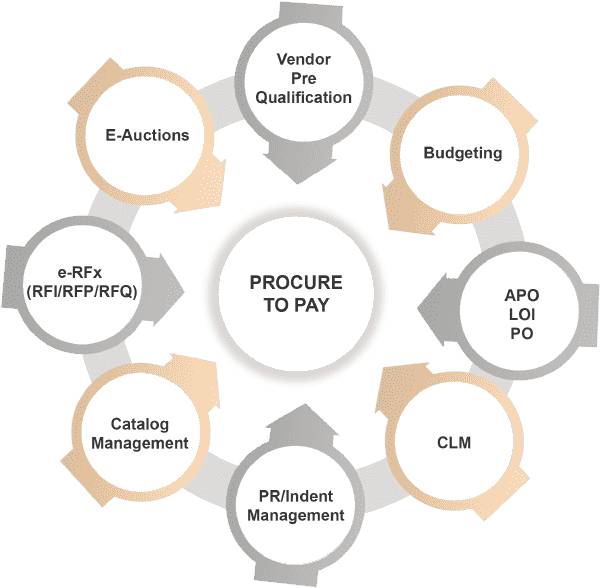
Enhancing Procurement Efficiency with Digital Solutions
Procurement is central for any company as it helps manage costs, interacts with various suppliers and affects the overall productivity. It is easy to understand that in the modern business world, these processes must be efficient to maintain a competitive advantage.
Digital solutions have proven to be game-changing. This helps in making use of technology to eliminate unnecessary time spent undertaking procurement functions, inaccuracies, revelation and eventually the procurement procedure. In the end, it helps improve the overall performance of the business. ProcureTiger is a leading provider of e-procurement solutions, specialising in reverse auctions and procure-to-pay processes.
The Current State of Procurement
Standard procurement processes generally involve a lot of manual processes, paper-based systems, as well as decentralised systems. These old-fashioned methods come with various drawbacks that limit their efficiency and productivity.
Manual suppliers, communication, visibility and procurement processes are the standard issues that are faced within the soft supply chain market. These delays create a bottleneck because even in achieving desired outcomes and goals, there are lots of errors, wastes and missed opportunities due to the teams having to create and use paper documents, follow up on people, record expenses and use more than one person and contracts without automation.
Digital Solutions for Procurement Efficiency
- Electronic Procurement (e-Procurement): This means machinery that receives requisitions and performs all procurement until payment is complete reverse paperwork fast making approvals and spending management more efficient.
- Services / Procurement Software: Some software applications are created to enhance Supplier, contract & purchasing management which allows better visibility & faster reaction in judging the situation.
- Blockchain: Secures, limits and allows for clear and open transactions reducing fraudulent conduct and improving the credibility in supply. These digital solutions offer several key benefits.
- Automated Workflows: Removes physically performed operations, and shortens the time of purchase order processing, approvals, and payments thus, there are fewer mistakes.
- Improved Visibility: Enhanced vision into the spending, performance of the suppliers as well as the risks presented to the supply chain in precise time
- Restricting Supplier and Contract Management: Supplementary documents where suppliers are listed are combined which help in upholding compliance and securing contracts before expiry.
- Cost Efficiency: Streamlines unnecessary processes, corrects poor practices, and strengthens contract management practices which generates savings.
- AI and ML: The use of historical procurement data is done to predict what should be required, how much can be cut from costs and which suppliers/inventories are required.
Benefits of Digital Procurement
- Boosted Efficiency and Productivity: There is less manual work with the use of software which helps shorten purchasing periods and increase productivity.
- Cost Savings: Reduces mistakes and time waste when handling documents which leads to saving money.
- Better Relations with Suppliers: Platforms and management applications help to keep and even foster supplier engagement.
- Best Possible Perspective: Insightful information can be used promptly.
- Use of Analytical Approach: Appropriate this seeks to help the different stakeholders to be able to identify the best possible suppliers, pricing or even do procurement in a much more effective manner.
Implementation and Adoption Strategies
- Assess Current Processes: Review the existing process flows to determine how they can be made better and more focused on digitalisation.
- Develop an Implementation Plan: Work on a step-by-step plan, addressing the implementation of each of the digital tools that need to be adopted.
- Provide Training and Support: Educate and train the personnel and all stakeholders on such innovative tools, as well as maintain proper support.
- Monitor and Evaluate: Evaluation of system efficiency should be incorporated into the processes to improve system processes and reap maximal benefits.
Conclusion
By undertaking these technologies, companies can achieve lower costs, better decision-making, and more efficient purchase processes. With advancements in technology, large digital solutions will be key in the future of procurement and the overall success of the business.
Featured Image Source: https://www.procuretiger.com/images/9-count.png
Essential Tips for Buying a Laptop: What to Consider Before You Click ‘Add to Cart’
Buying a laptop can be an overwhelming experience, especially with the vast array of options available today. Whether you’re a student, a professional, or just in need of a reliable device for everyday tasks, making an informed decision is crucial. Before you hit that ‘Add to Cart’ button, here are some essential tips to guide you through the buying process and ensure you choose the right laptop for your needs.
1. Determine Your Primary Use
The first step in selecting the right laptop is to define its primary purpose. Are you using it for basic tasks like browsing the web and word processing, or do you need it for more demanding tasks such as gaming, video editing, or software development? Understanding your needs will help narrow down your options and ensure you choose a laptop with the appropriate specifications.
- Basic Use: If you need a laptop for everyday tasks like emailing, web browsing, and document editing, a device with modest specifications will suffice. Look for laptops with an Intel Core i3 or AMD Ryzen 3 processor, 4GB to 8GB of RAM, and a standard HDD or SSD storage.
- Multimedia and Gaming: For gaming or multimedia work, a laptop with higher specifications is essential. Opt for an Intel Core i5 or i7 processor, 8GB to 16GB of RAM, and a dedicated graphics card like an NVIDIA GeForce GTX or RTX. Ensure it has an SSD for faster load times and better performance.
- Professional Use: If you’re a professional working with large files or running demanding software, prioritize a laptop with a powerful processor (Intel Core i7 or i9, AMD Ryzen 7 or 9), 16GB or more RAM, and an SSD. Look for models with higher-resolution displays and enhanced connectivity options.
2. Screen Size and Resolution
The screen size and resolution of a laptop significantly impact your viewing experience. Laptops generally range from 13 to 17 inches, and the best size depends on your preferences and how you plan to use the device.
- Portability: For those who need a highly portable laptop, a 13 to 14-inch screen is ideal. These laptops are lightweight and easy to carry around but might have smaller keyboards and screens.
- Productivity and Entertainment: A 15- —to 17-inch display might be more suitable for multitasking or immersive entertainment. However, larger screens mean heavier laptops.
- Resolution: Full HD (1920 x 1080) resolution is standard and sufficient for most users. For better clarity and detail, especially for professional or creative work, consider laptops with 4K resolution (3840 x 2160). Higher-resolution screens offer more screen real estate and sharper images but can be more expensive.
3. Performance Specifications
When it comes to performance, the key components to consider are the processor (CPU), memory (RAM), and storage.
- Processor (CPU): The CPU is the heart of your laptop. Intel and AMD are the two main manufacturers, with Intel’s Core i3, i5, and i7, and AMD’s Ryzen 3, 5, and 7 being popular choices. Higher-end processors like the Intel Core i9 or AMD Ryzen 9 are better for high-performance tasks.
- RAM: Random Access Memory (RAM) affects how many applications you can run simultaneously. For basic use, 4GB of RAM is often adequate. For more demanding tasks, 8GB to 16GB of RAM is recommended to ensure smooth performance.
- Storage: Modern laptops typically offer SSDs (Solid State Drives) or HDDs (Hard Disk Drives). SSDs are faster and more reliable, providing quicker boot times and file access. A 256GB SSD is a good starting point, with 512GB or more being ideal for those who store large files or run multiple applications.
4. Battery Life
Battery life is a crucial factor, especially if you’re often on the go. Battery longevity can vary widely depending on the laptop model and how you use it.
- Average Battery Life: Look for laptops with at least 8 hours of battery life for general use. This will ensure that you can get through a workday or class without needing to recharge frequently.
- High-Capacity Battery: If you require extended battery life, consider models designed for longer use, often marketed as having 12 to 20 hours of battery life. Keep in mind that battery performance can degrade over time.
5. Build Quality and Design
The build quality and design of a laptop affect both its durability and user experience.
- Material and Durability: Laptops made from aluminum or magnesium alloys generally offer better durability compared to plastic models. Consider a laptop with a robust build if you plan to travel frequently or use it in different environments.
- Keyboard and Trackpad: A comfortable keyboard and responsive trackpad are essential for long typing sessions. Try out the keyboard in person if possible, or read reviews to ensure it meets your expectations for typing comfort.
6. Connectivity and Ports
Ensure the laptop has the connectivity options and ports you need for your peripherals and accessories.
- USB Ports: Look for a variety of USB ports, including USB-C and USB-A. Some laptops also offer Thunderbolt 3 or 4 ports for faster data transfer and charging.
- HDMI and SD Card Readers: If you plan to connect your laptop to external displays or need to transfer files from SD cards, check for HDMI ports and built-in card readers.
- Wi-Fi and Bluetooth: Ensure the laptop supports the latest Wi-Fi standards (Wi-Fi 6 or newer) for faster internet speeds and Bluetooth for connecting wireless devices.
7. Operating System
Finally, choose an operating system that fits your needs.
- Windows: Offers a wide range of software compatibility and is ideal for gaming, professional applications, and general use.
- macOS: Known for its stability and seamless integration with other Apple products, macOS is preferred by many creative professionals.
- Chrome OS: A more lightweight option that works well for web-based tasks and is typically found in budget-friendly Chromebooks.
Featured Image Source: https://cdn.pixabay.com/photo/2021/03/02/13/04/laptop-6062423_640.jpg